Iceland in May: Weather, Trails & The Early Hiking Season
Everything to know about visiting Iceland in May — weather, daylight hours, puffin season, what to pack, top sights, and a complete 7-day itinerary.

Anja
Published April 29, 2026
Edited May 14, 2026
9 min read
Quick links
Don't want to read all this?
We've planned 2,000+ hiking trips. Send your dates, fitness and group size — we'll map the route and book every night.



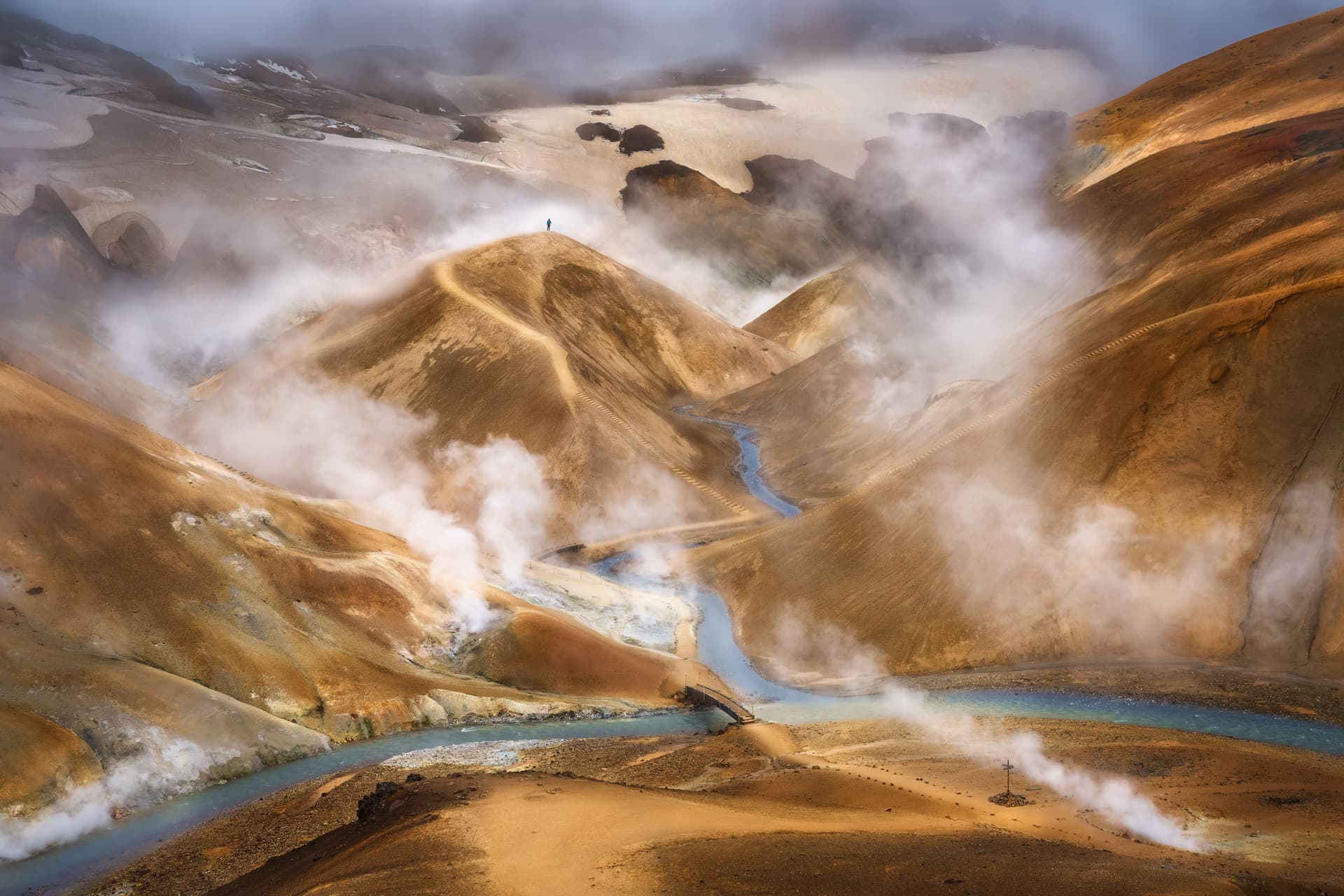
May splits Iceland in two distinct regions. The highland interior is still locked under snow — F-roads (gravel mountain roads in Iceland's interior) closed, huts shuttered, the classic Laugavegur and Fimmvörðuháls (Fimmvorduhals) treks off-limits until late June. The coast and lowlands, meanwhile, are at their best of the year: puffins back on the cliffs, waterfalls running full from snowmelt, and twenty hours of daylight by month's end.
That makes May a brilliant month for lowland and coastal routes, road trips, photography, and traveling without the July crowds — and a poor one for anyone whose heart is set on a multi-day highland trek.
Whether it is a great month for your Iceland trip or not depends entirely on what you wish to experience the most.
Outdoors in May: Viable, Borderline, Off-Limits
The coast, the lowlands, the geothermal lowlands of the Reykjanes peninsula, and the rolling lava fields of Snæfellsnes (Snaefellsnes) are already fully accessible. Many of them are some of the most photogenic walks Iceland has to offer.
Below is a quick overview of what's open, what's borderline, and what to save for July.
Viable
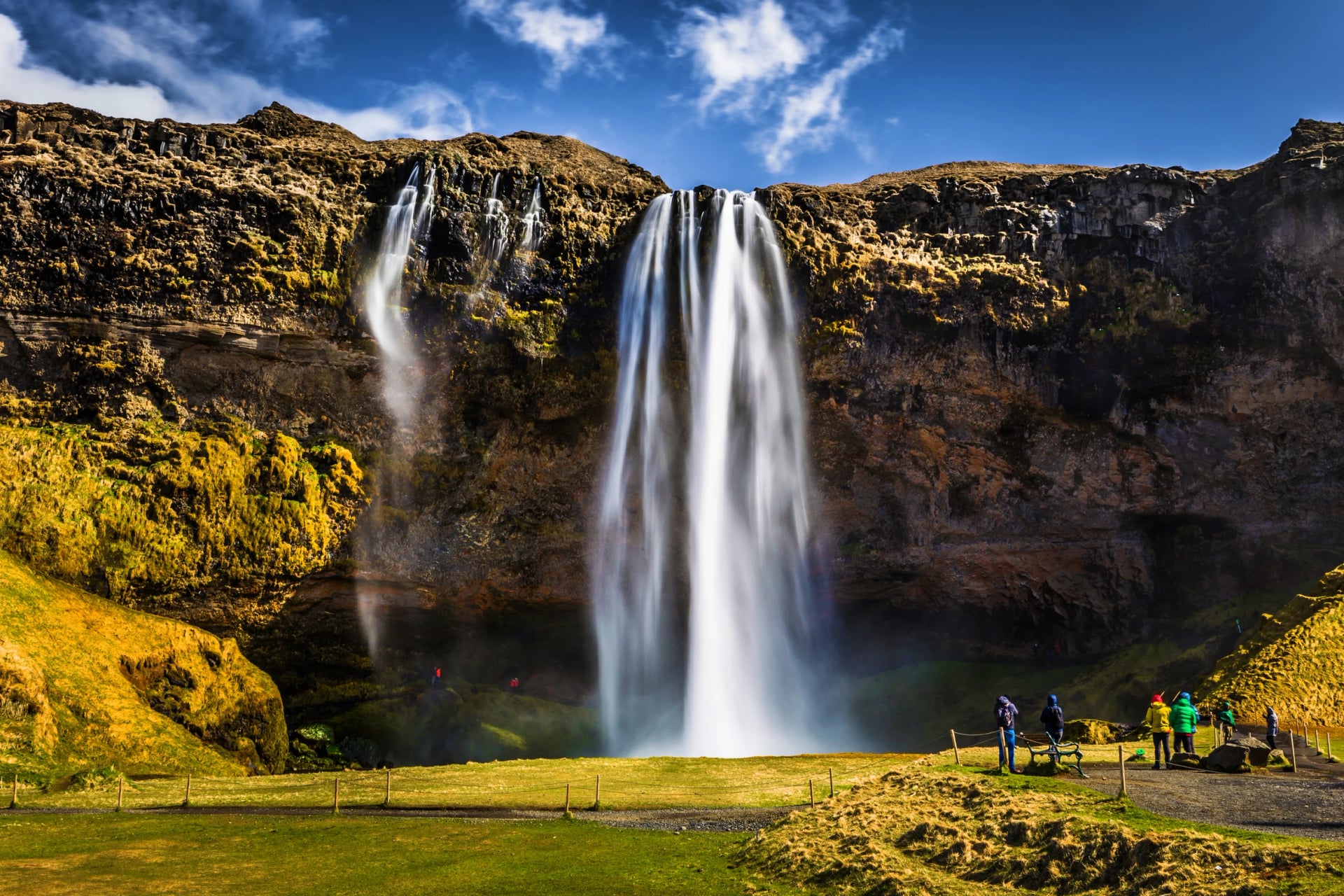
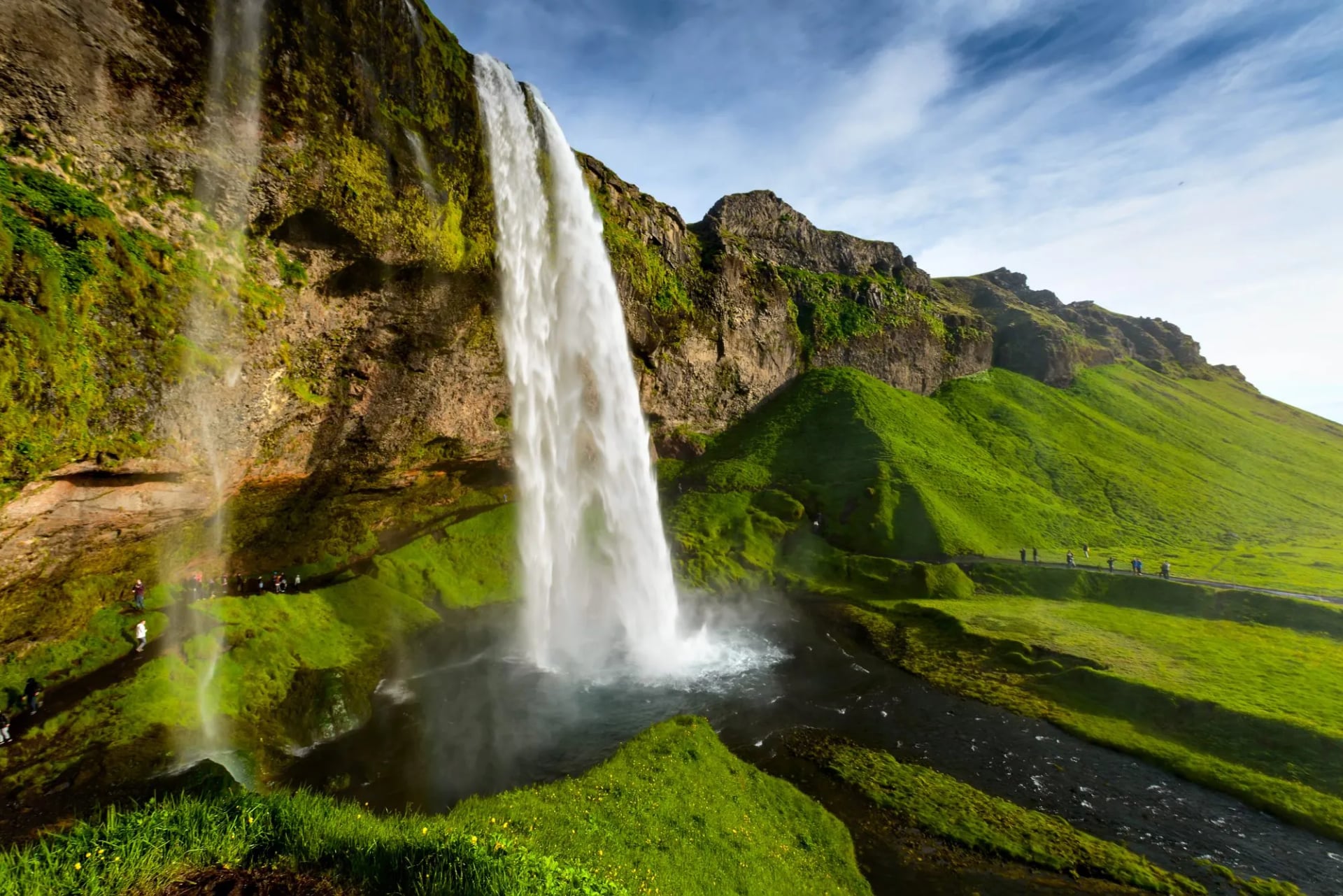
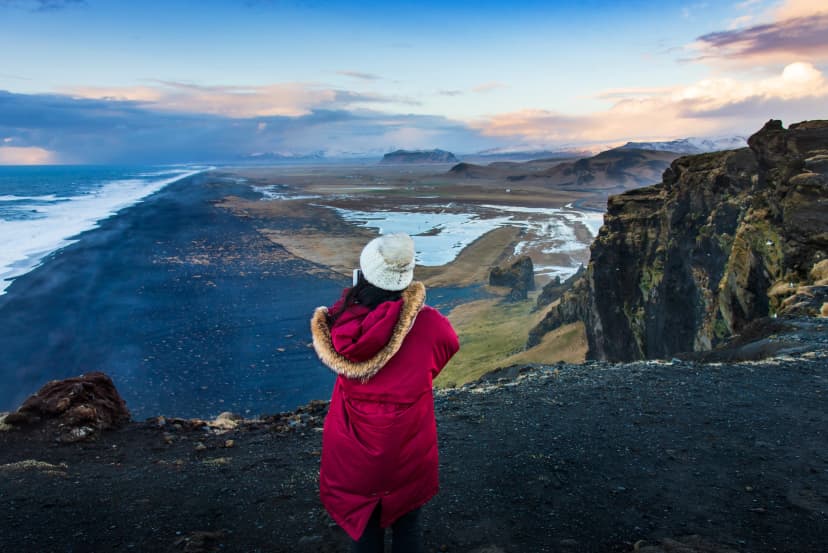
South coast — Seljalandsfoss, Gljúfrabúi, Skogafoss, Reynisfjara, Dyrhólaey
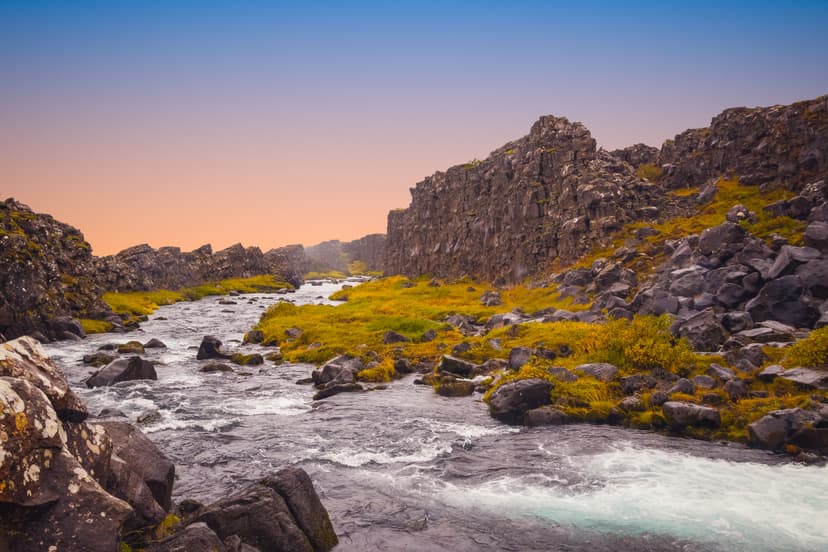
Stops around the Golden Circle — Þingvellir (Thingvellir), Gullfoss, the Geysir area
Reykjavík and the Reykjanes peninsula, including Reykjanesfólkvangur
Snæfellsnes peninsula lower-elevation trails
Selected coastal stretches of the East Fjords, weather dependent
Partly viable, best done with a guide
Lower Þórsmörk and the valley floor — technically reachable later in May, but dependent on road access, shuttle schedules, and river levels
Not viable
The Laugavegur Trail end-to-end — snow on the highland sections, huts closed, rivers unsafe
Fimmvörðuháls between Skogar and Þórsmörk — the pass itself sits around 1,000 m and stays deep under snow
Víknaslóðir in the East Fjords — the hut network and transfer logistics don't restart until mid-June
Any highland route that depends on a mountain road to reach the trailhead
The optimal choice: anchor your May trip to the coast. Build a route along Iceland's south shore, keep the highlands on your list for a future trip in July or August, and you'll have one of the country's best shoulder-season weeks.
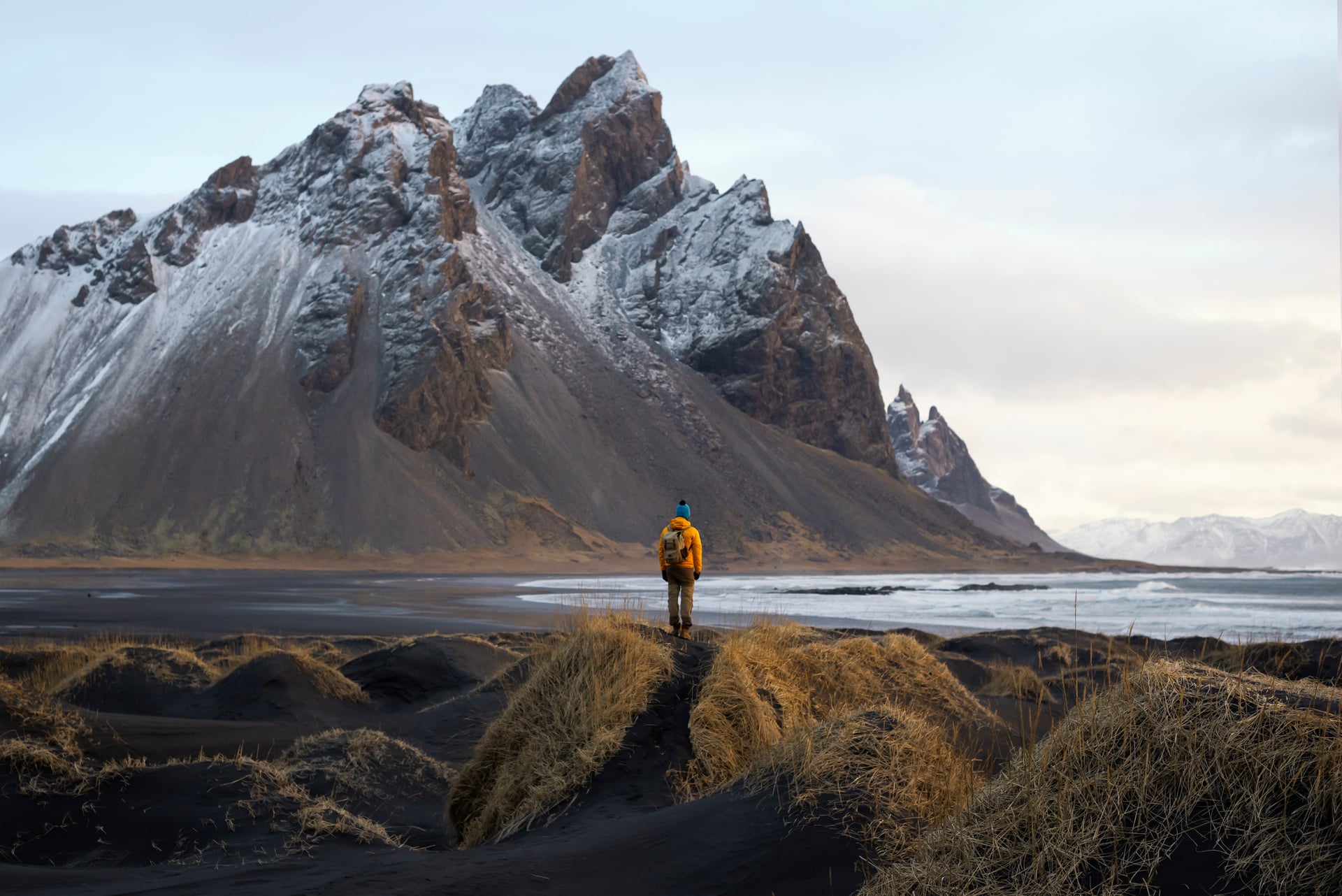
Weather in May: What to Expect
Mild temperatures — daytime averages of 3–9 °C (37–48 °F)
Low precipitation — one of the driest months of the year
Long daylight hours — 17 hours growing to 21 by month's end
For a country with Iceland's reputation, May weather can be surprisingly pleasant — at least by Icelandic standards. Rainfall is typically at its lowest for the year, the sun is up for most of the day, and temperatures climb steadily from early to late in the month.
Daytime averages range from roughly 3–9 °C (37–48 °F) across the country, with the south coast typically seeing highs of 7–11 °C (45–52 °F). It's milder along the coast and colder inland or at elevation.
Nights still hover near freezing in many places, particularly in the north and the interior, with occasional light frost.
Snow remains above roughly 500–700 m, and glaciers and highland passes stay fully covered.
May ranks among the sunniest months in southern Iceland, but two things shape how it feels on the ground:
The wind can still push the felt temperature below freezing, with possible gusts of 15–25 m/s. A good windproof shell matters.
Weather changes fast. A calm morning can flip to wind-driven sleet by afternoon. Plan around this by layering smartly, keeping plans flexible, and checking forecasts regularly before every walk.
Daylight extends rapidly each day through May, from around 17 hours at the start of the month to over 20 hours by 31 May.
By the final week, "night" has shrunk to a long twilight — usable for driving, hiking, and photography well past 11 PM. Bring a sleep mask, especially for guesthouses without blackout curtains.
The authoritative source for weather is the Icelandic Met Office. It's the country's official meteorological service, and it's where Icelanders themselves check forecasts, wind warnings, and alerts.
The Highlands in Late Spring
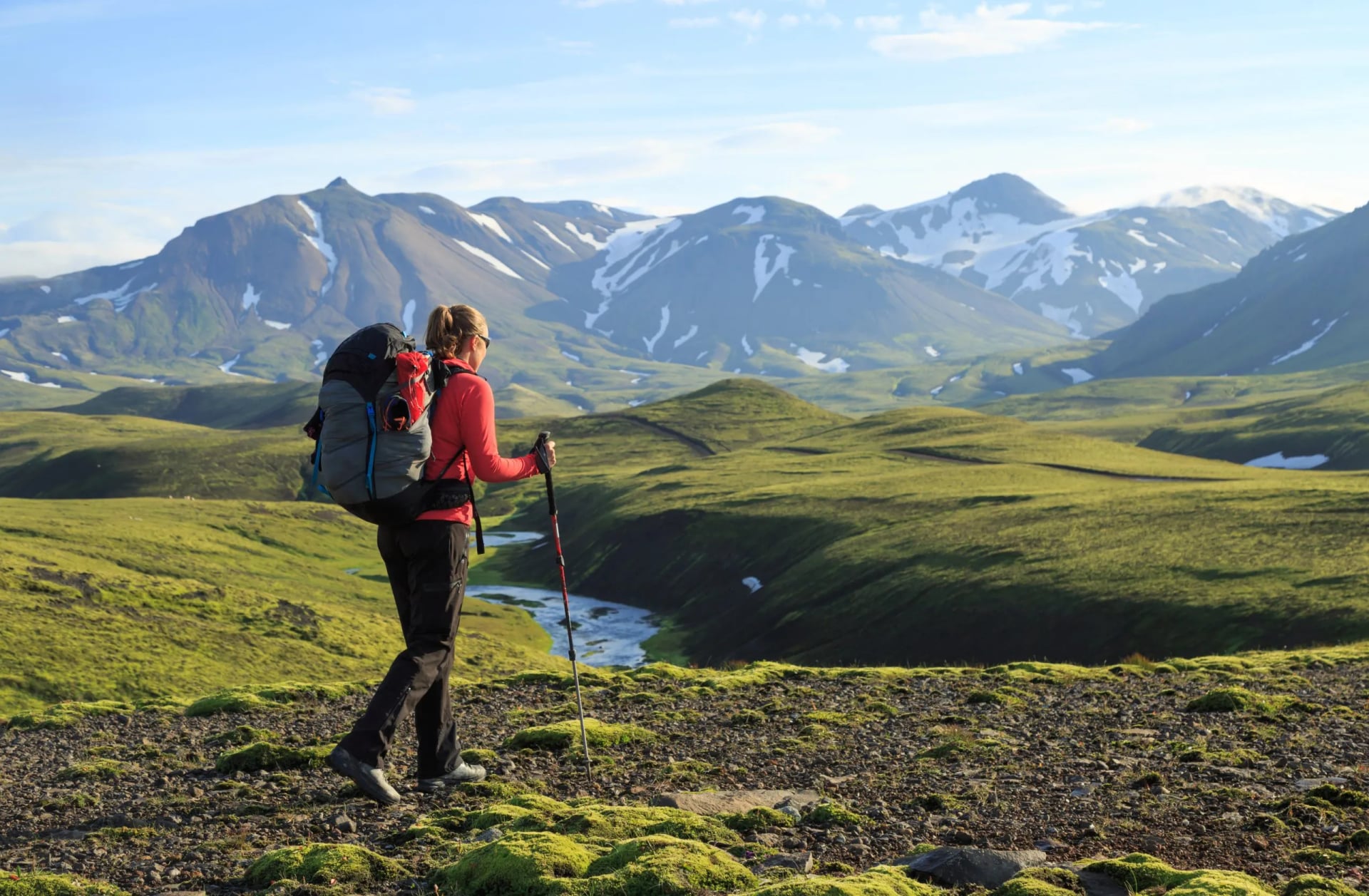
The core thing to know about hiking in Iceland in May is straightforward: the highland season hasn't started. Everything that flows from that decision point — huts, roads, rivers, guides, transfers — is still in winter mode.
Huts
The mountain huts along Iceland's famous highland routes are operated by Ferðafélag Íslands (Ferdafelag Islands - FÍ), the Icelandic Touring Association. Their main operating window runs from late June into mid-September. Throughout May, the huts on the Laugavegur, on Fimmvörðuháls, and in Þórsmörk stay closed. Multi-day highland treks with hut nights simply aren't an option this early.
F-roads
The gravel mountain tracks that feed the highland interior — the F comes from Fjallvegir, or mountain roads — are closed throughout May. They're reopened by the Icelandic Road and Coastal Administration only after snow clears, meltwater settles, and the surface is safe, usually from late June. Current status is published live on IRCA official page (Icelandic Road and Coastal Administration).
Rivers
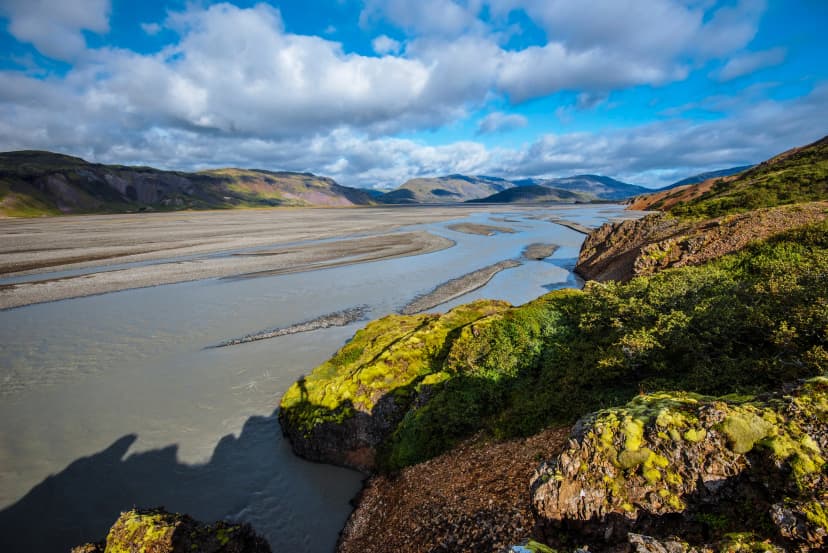
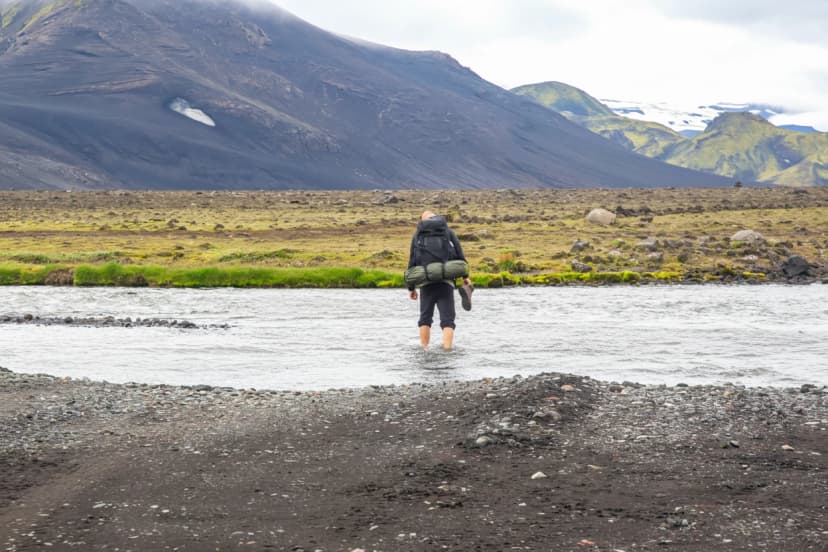
Iceland's glacial and snowmelt-fed rivers run highest in spring, when the snowpack is actively discharging. On routes with unbridged crossings — which include stretches of the Laugavegur and Fimmvörðuháls — water in May is cold, fast, and well above safe levels for most hikers.
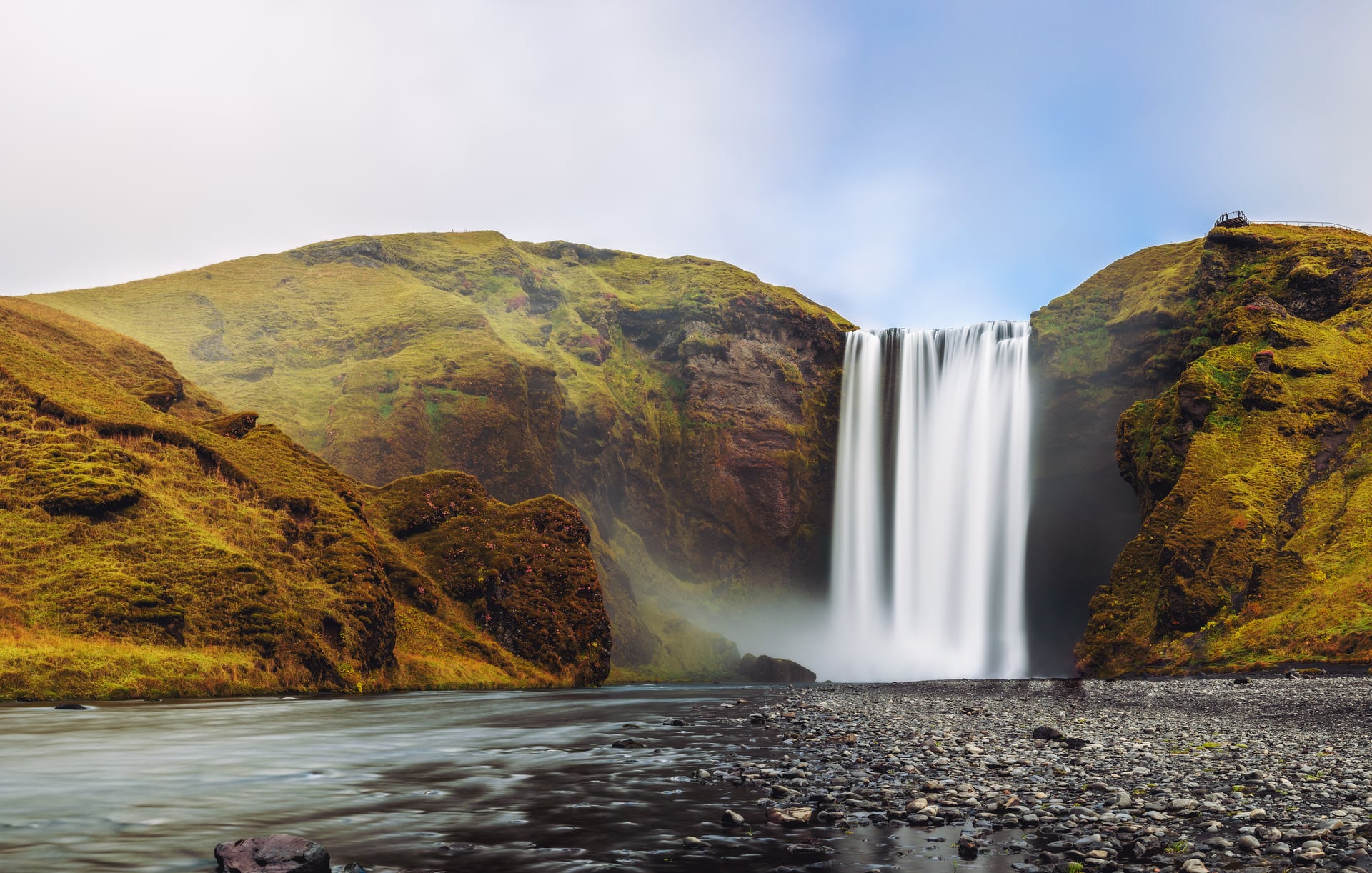
Our Pick for May: A 7-Day South Coast Route
While some classic highland treks sit out this shoulder month, our coastal tour is designed with this shoulder-season window in mind — and begins its operating season in early May.
Iceland's South Coast Highlights
Duration: 7 days | Technical: 2/5 | Fitness: 2/5
Why it fits May: No highland routes, no F-roads, no unbridged river crossings. Valley-level accommodation is open year-round. Landscapes — waterfalls, puffin cliffs, birch valleys, glacier tongues — at their spring peak.
This self-guided week strings together the south coast's biggest landmarks along a corridor that stays open year-round. Nights are spent in comfortable inns and guesthouses with proper beds, hot showers, and warm meals, so you're never exposed to highland weather overnight.
Daily walks are short-to-moderate rather than heavy trekking days, which suits spring conditions well: you're carrying a daypack, not a multi-day load, and there's time to take in the south coast at its seasonal best. Because the entire route sits below the snow line and on bridged roads, it runs from May through September.
If You Want the Iconic Highland Treks
If your heart is set on the Laugavegur Trail, Fimmvörðuháls, or the quieter Víknaslóðir Trail in the east, plan for late June through early September. That’s when huts are operating, F-roads are open, and the rivers have dropped enough to be crossable.
You can see all of our itineraries on the tours page, and our full Laugavegur Tour guide covers what the main season looks like.
Beyond Hiking: What Makes May Special
May is one of the most underrated months to travel in Iceland because a few of the country's best experiences overlap only briefly in springtime. However, the month has plenty to offer.
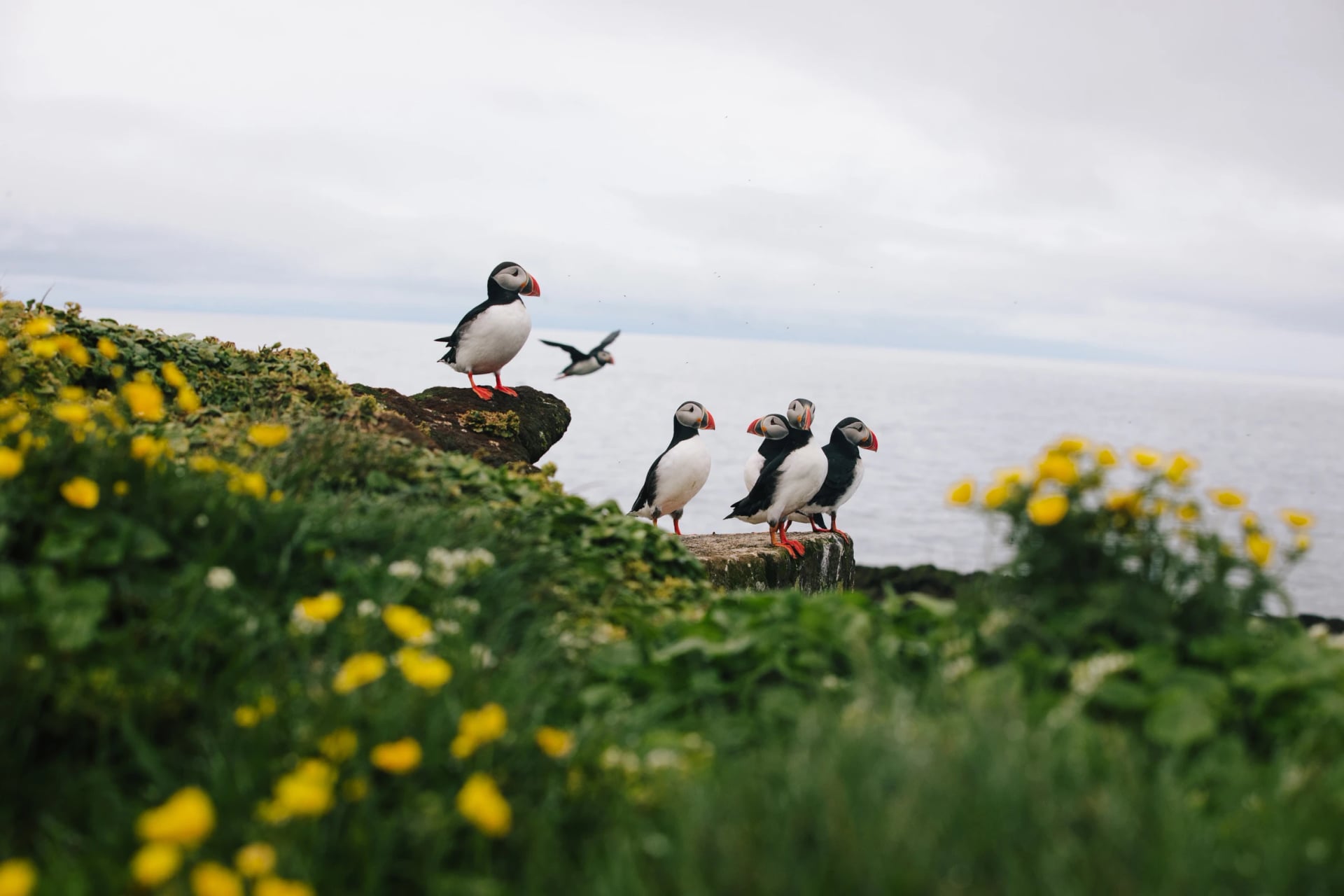
Puffins return
Atlantic puffins begin arriving at Icelandic sea cliffs in spring and are reliably present through May. Dyrhólaey and Reynisfjall on the south coast, the Látrabjarg cliffs in the Westfjords, and the Westman Islands are all excellent viewing points.
Powerful waterfalls
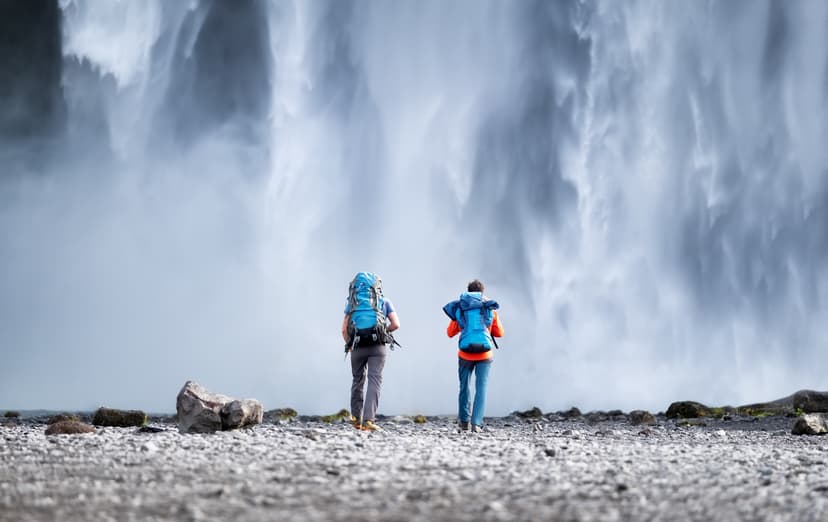
Snowmelt season beginning means Seljalandsfoss, Skógafoss, Gullfoss, and countless smaller cascades are roaring at their yearly peak.
Midnight-sun evenings
By the last week of the month, darkness more or less disappears. Long, low light in the late evening is exceptional for photography and for unhurried, post-dinner walks.
Whale watching
Tours from Reykjavík and Húsavík operate through May with sightings increasing as the month progresses.
Geothermal bathing
Hot pools and lagoons are, if anything, better in cool spring air than in high summer. The hike-in springs reach their sweet spot this month too: Reykjadalur's trail is reliably clear by early May, and the crowds you'd fight in July are still weeks away.
Is May the Right Month for You?
May suits you if:
You want coastal and lower-elevation hiking rather than highland trekking.
You'd rather avoid peak-summer crowds.
Long daylight and a quieter country matter more than guaranteed warm weather.
You'd like to see vibrant wildlife.
You're flexible and prefer leisurely hikes than challenging multi-day routes
May likely isn't the month for you if:
You specifically wish for multi-day highland treks.
You will rely on open and accessible routes and huts for the entire trip.
You want settled, predictable weather.
The northern lights are a core goal of the trip — we recommend September or later.
If you are deciding on the best month for your trip, we dive into a more extensive month-by-month comparison in our Best Time to Hike in Iceland blog.
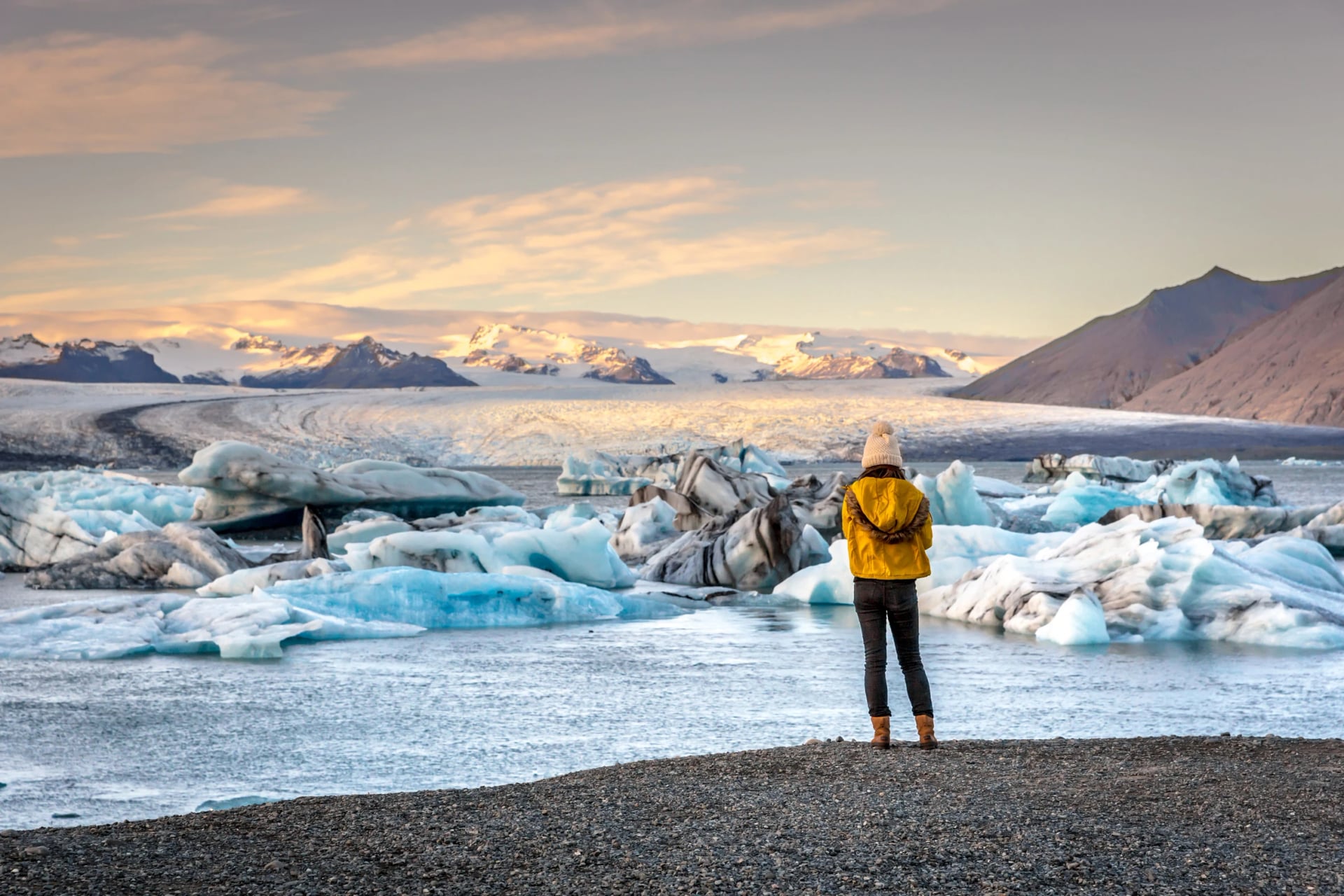
Book Your Spring Tour in Iceland
For May, anchor your trip to the coast and lowlands — the south coast, Golden Circle, Reykjanes, Snæfellsnes, and the lowland edges of Skaftafell are all open and at their most dramatic with full snowmelt running. The highlands can wait until late June; for more tips and information on that, see our June guide.
Have questions about our Iceland's South Coast Highlights tour? Get in touch with our agent for assistance with booking or more detailed information.

About this author
Anja is our lead travel advisor and a lifelong hiker who has planned countless adventures across Europe. She prefers sunsets to sunrises — unless coffee is involved — and, ever since her first rock-climbing course, joins friends on climbing trips whenever she can.
.jpeg&w=828&q=75)